What is JILAF?
Objective
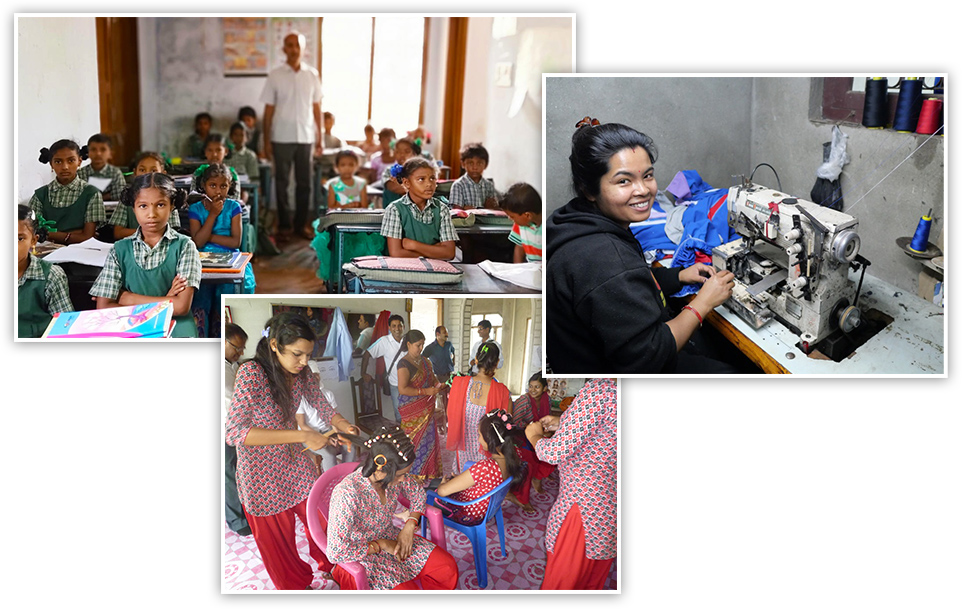
Aiming to promote the development of a free and democratic labour movement and sound social and economic development in developing countries
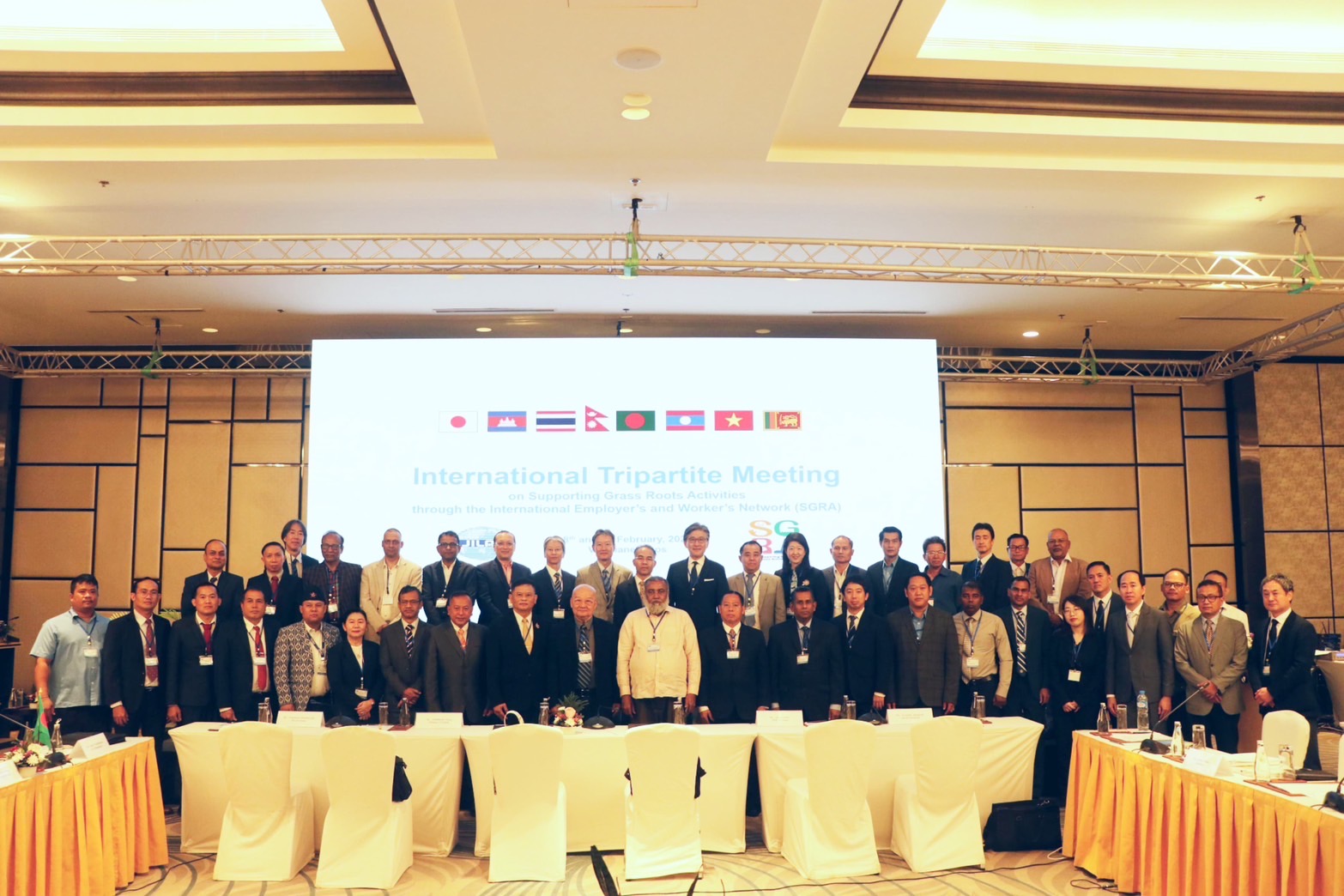
The Japan International Labour Foundation (JILAF) was established by RENGO (Japanese Trade Union Confederation) in May 1989 as an organization to promote international exchange and cooperation in the field of labour. During the 20 years since its establishment, JILAF has developed projects in cooperation with RENGO, affiliated members of RENGO, Local RENGOs, and the related government ministries and agencies, as well as the International Trade Union Confederation (ITUC), It’s regional organizations, national centers, of each country and others.
From now on also, JILAF will continue its activities with the aim of promoting the development of free democratic and independent trade unions and sound social and economic development in developing countries.
President's Message

The Japan International Labour Federation (JILAF) has entered its twenty-first year as an organization that promotes international exchange and cooperation in the field of labour with the aim of "contributing to the strengthening and development of free and democratic labour movements and to sound social and economic development in developing countries."
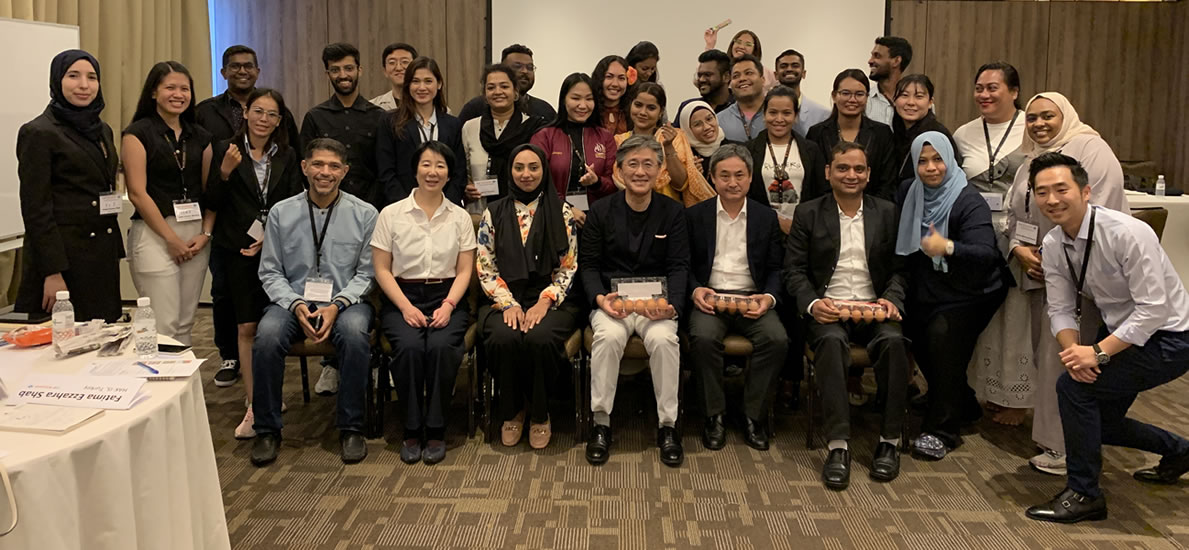
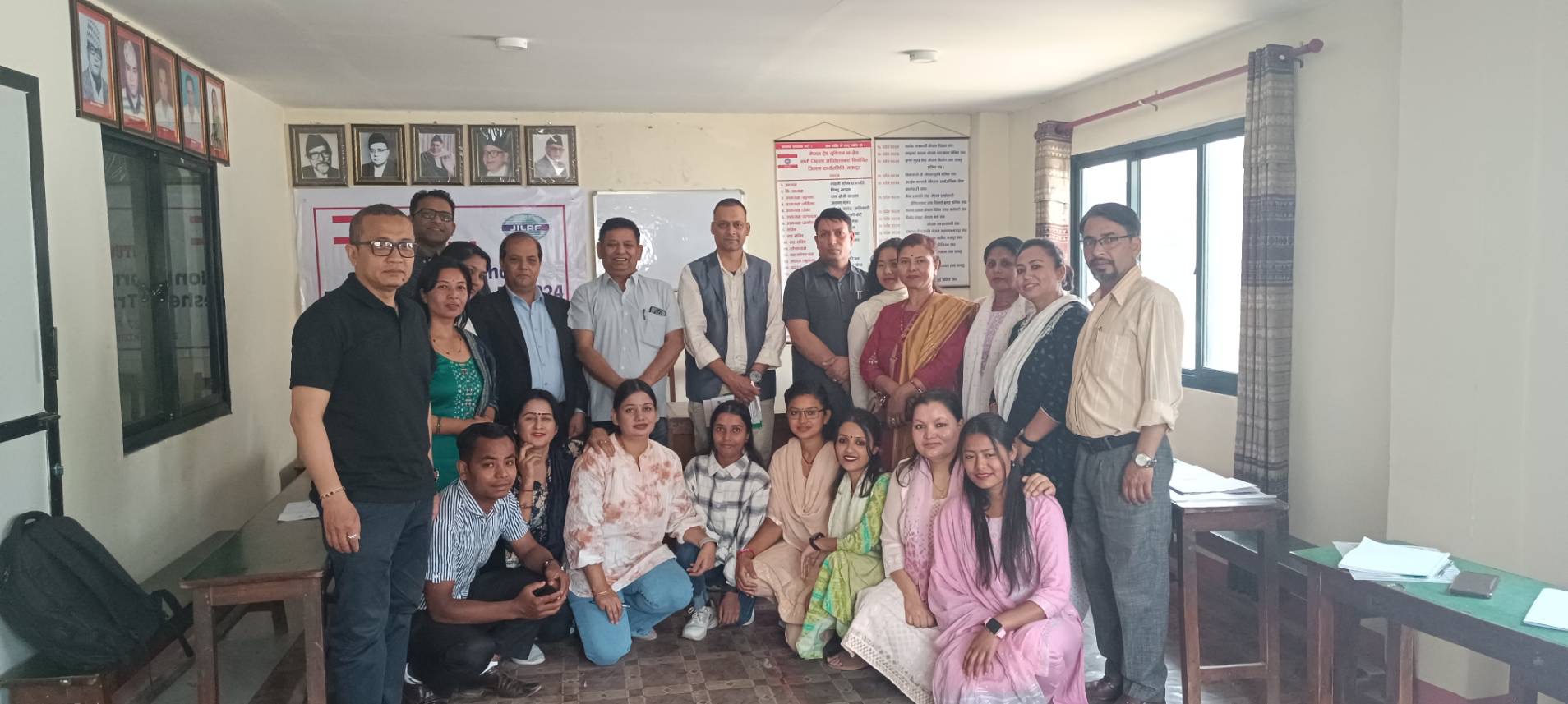
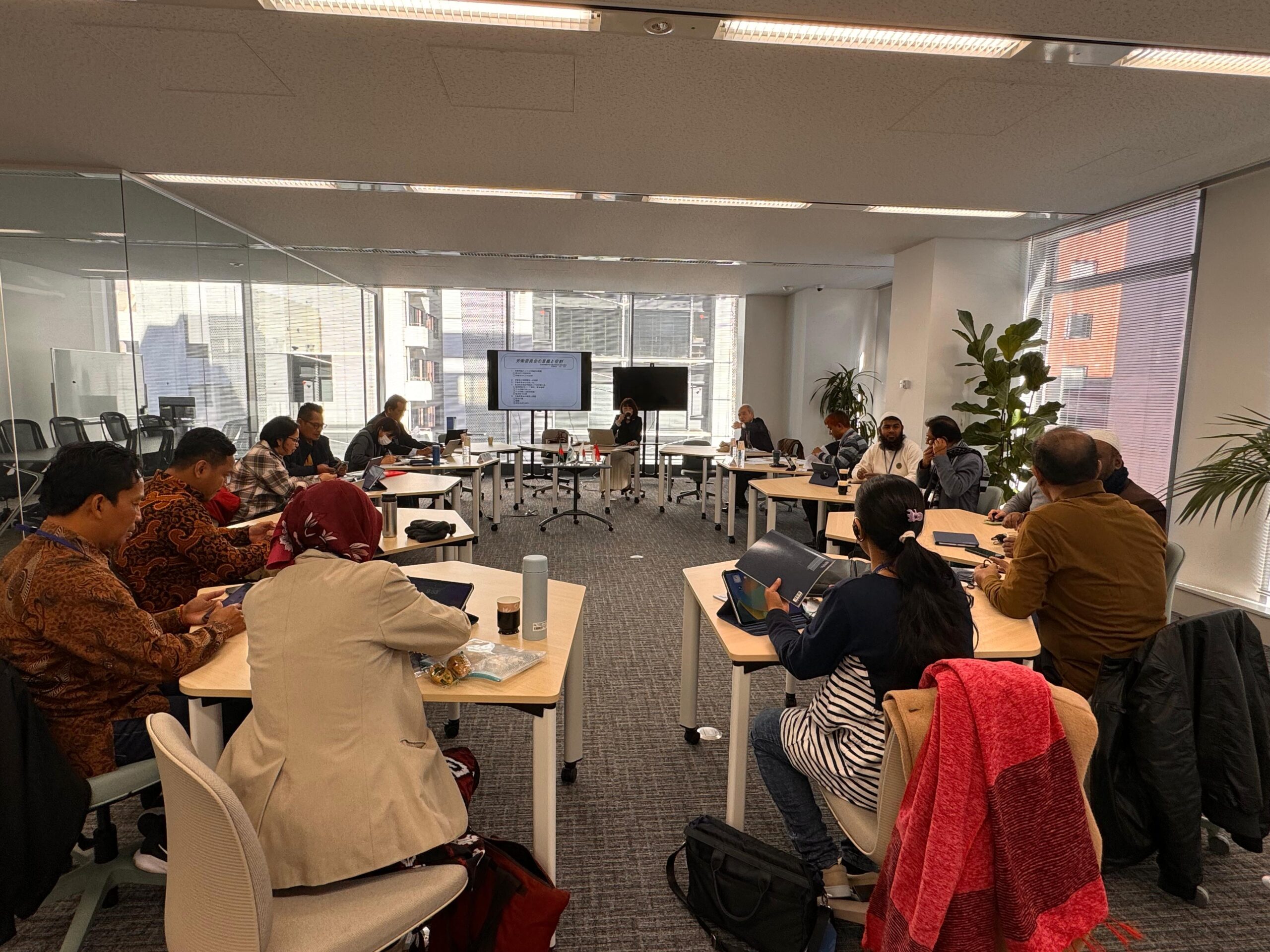
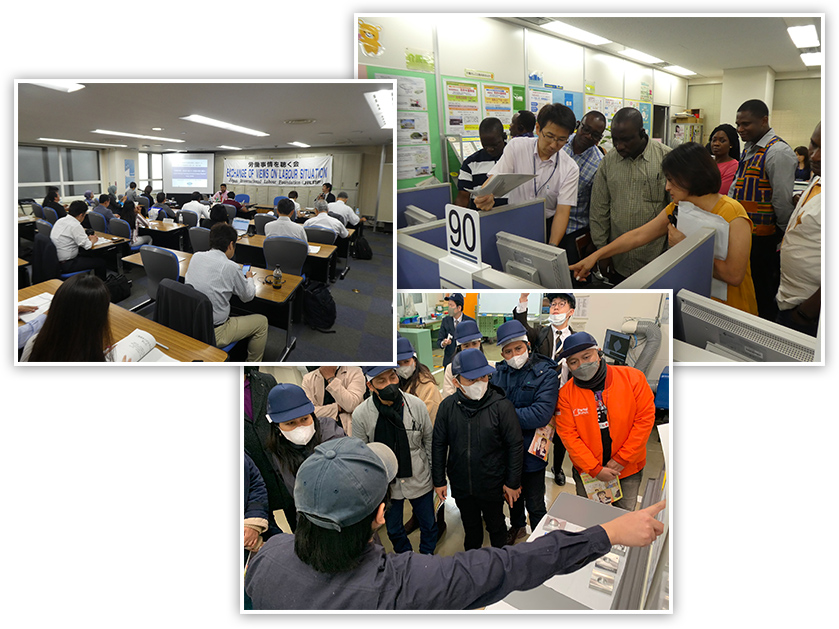
In fiscal 2010, under the Invitation Program, which began at the time of our founding, 95 young trade union leaders in 12 teams visited Japan from around the world; altogether 2,427 people have participated in this program since our founding.
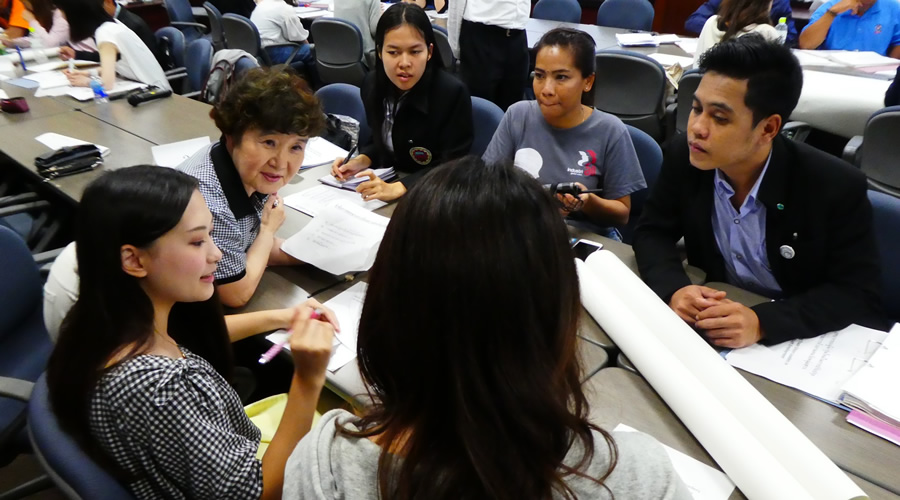
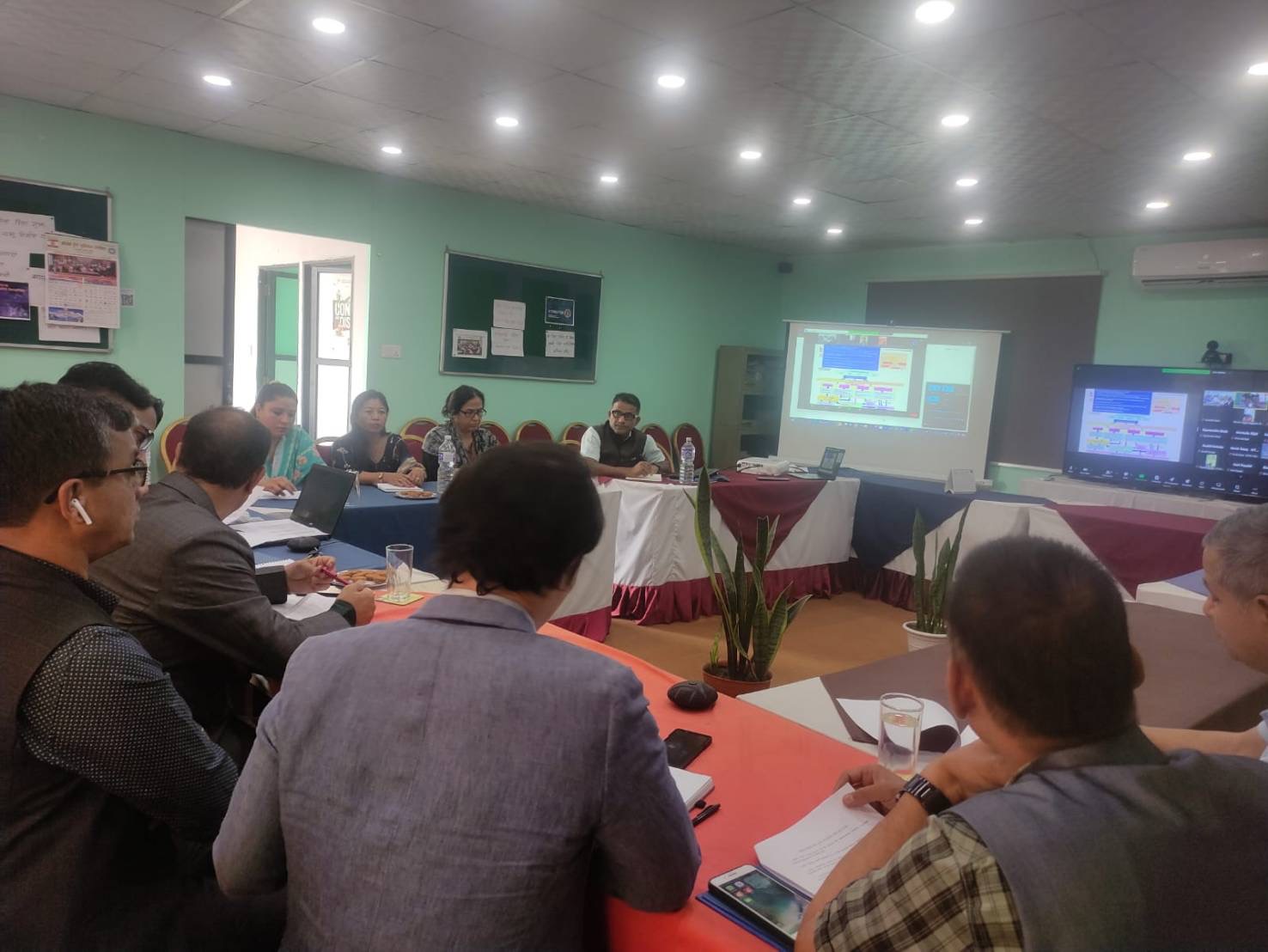
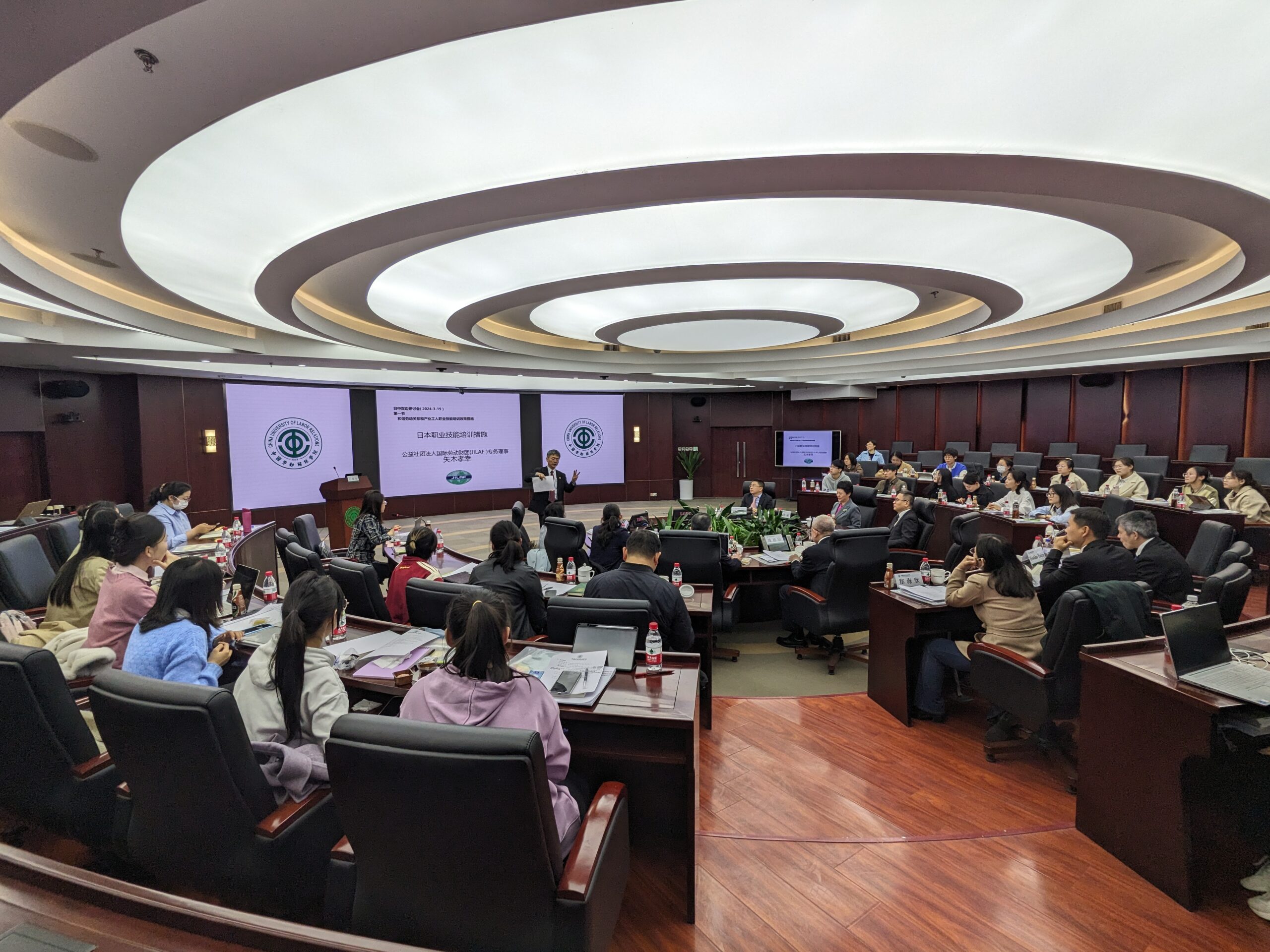
The Invitation Program provides participants with the opportunity to study the labour movement and labour-management relations in Japan, as well as the Japanese economy, politics, society, culture, and so on, and thereby to deepen their understanding of Japan. I believe that this program has been very successful indeed. After returning home, many participants have become active as trade union leaders in their own countries, and others have become prominent in the political and economic fields as well.
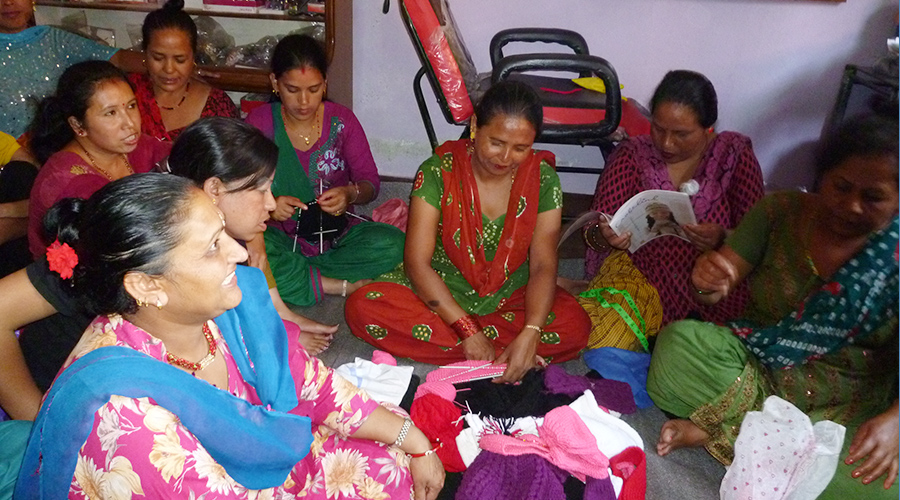
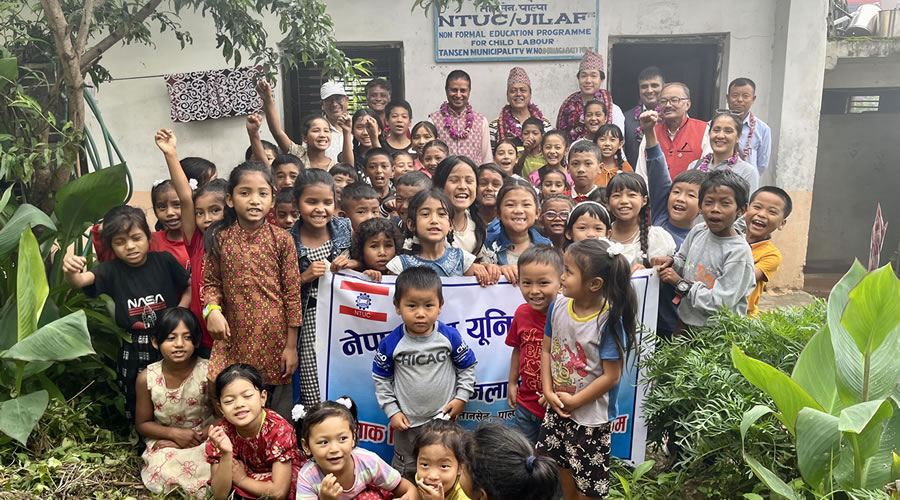
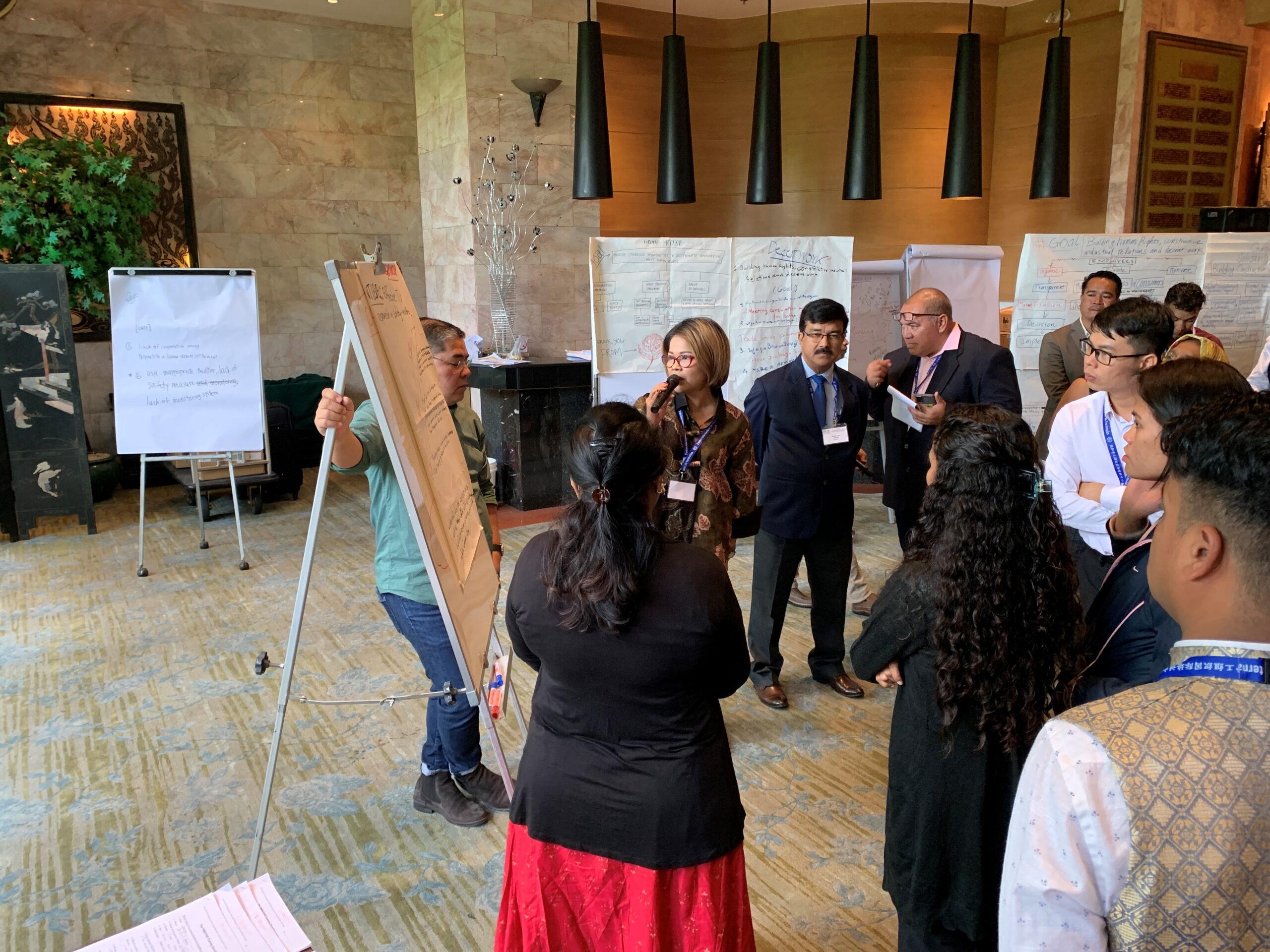
Furthermore, JILAF's Field Projects, which began in 1994, involve holding seminars in Asian countries on themes based on the needs of local trade unions. As of April 2010, a total of more than 83,000 people had participated in such seminars. Our activities have received much appraisal and expectation, especially in developing countries, and in response we are determined to develop even more substantial activities. I believe that the existence of a sound labour movement with democratic check functions and policy proposal capabilities will definitely contribute to the development of industries and companies and to social stability in developing countries.
From now on also, as well as promoting the international solidarity activities of Rengo (Japanese Trade Union Confederation), we intend to continue our relentless efforts in awareness also of our role as a pillar of Japanese diplomacy. I sincerely look forward to your further support and cooperation.

Tsuyoshi Takagi
President
Structure of Executives
The Board of Directors and the Board of Councilors are both composed of representatives of RENGO's affiliates in half. Another half consists of scholars, men of culture, journalists, and other professionals.
Executive members are as follows:
| President | Tsuyoshi Takagi |
|---|---|
| Executive Director | Yoshio Takahashi |
| Deputy Executive Director | Hisashige Danno |